
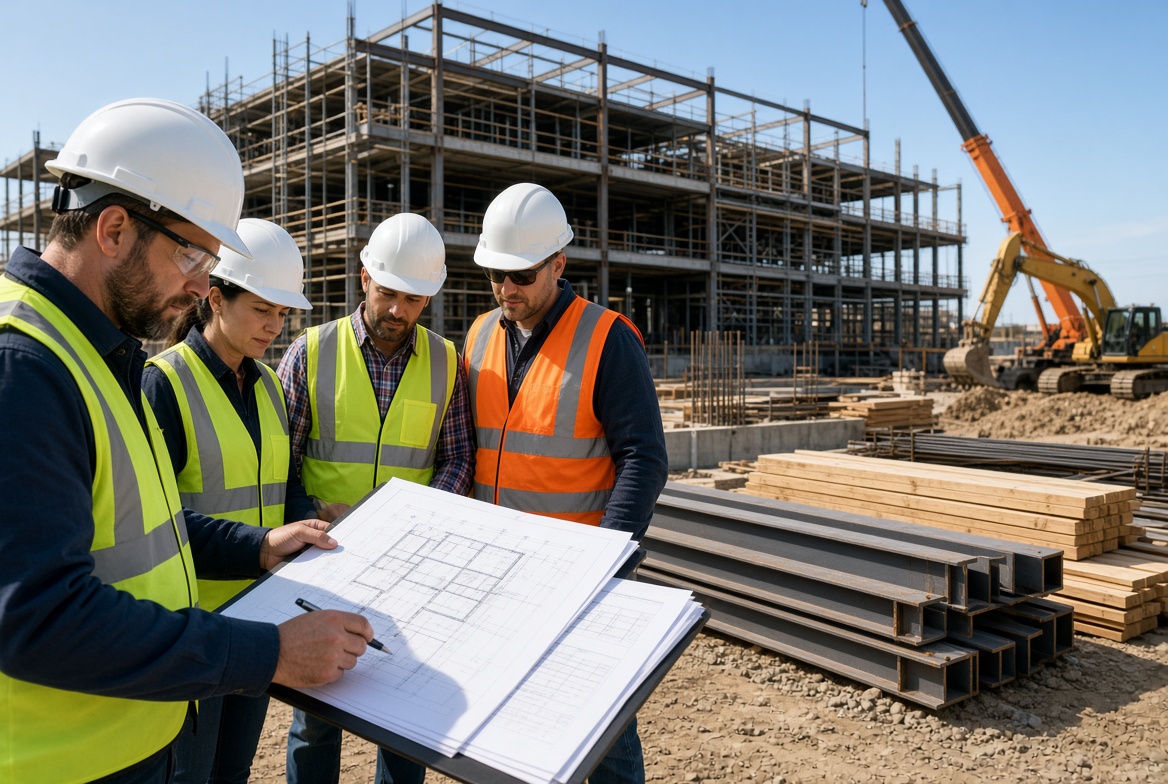
Factors That Affect Construction Costs in the United States
Construction costs in the United States vary significantly depending on the project’s size, location, materials, labor requirements, and overall complexity. Whether building a residential home, commercial property, or industrial facility, understanding these cost factors is essential for maintaining a realistic budget and avoiding unexpected expenses.
For contractors, builders, developers, and property owners, accurate cost planning helps improve financial decisions and maintain project profitability. Several factors influence the total construction budget, and evaluating them before construction begins can prevent costly mistakes.
1. Project Location and Regional Market Conditions
Location is one of the most important factors affecting construction costs in the United States. Construction expenses can vary considerably between states, cities, and even neighboring communities.
Major metropolitan areas such as New York, Los Angeles, San Francisco, and Chicago often have higher construction expenses because of increased labor rates, transportation costs, property values, and local regulations. Rural locations may have lower labor costs but can involve additional transportation expenses and limited access to suppliers.
Local market demand also affects pricing. Areas experiencing significant development may have higher demand for contractors, construction materials, and specialized equipment. These conditions can increase overall project expenses.
2. Material Prices and Availability
Construction materials represent a major portion of most project budgets. Materials such as concrete, lumber, steel, drywall, roofing products, insulation, and electrical components can experience price fluctuations throughout the year.
Several factors influence material costs:
- Supply and demand in the construction industry.
- Manufacturing and production expenses.
- Transportation and delivery charges.
- Import duties and trade restrictions.
- Supplier availability and purchasing volume.
- Material specifications and quality requirements.
Supply chain disruptions can also cause shortages and delivery delays, forcing contractors to purchase alternative products at higher prices. Comparing supplier quotations and maintaining updated material pricing information can help control these expenses.
3. Labor Costs and Workforce Availability
Labor expenses are another major component of construction budgets. The total cost depends on the number of workers required, their skill levels, hourly wages, productivity, and project duration.
Specialized trades such as electricians, plumbers, HVAC technicians, welders, and structural steel installers may require higher labor rates because of their technical expertise and certifications.
Other labor-related expenses include:
- Payroll taxes and workers’ compensation.
- Employee benefits and insurance.
- Overtime and additional work shifts.
- Training and safety requirements.
- Crew supervision and management.
- Reduced productivity caused by difficult working conditions.
Labor shortages can increase competition for experienced workers and extend project schedules. Contractors should evaluate workforce availability and realistic labor productivity when preparing construction budgets.
4. Project Size, Design, and Complexity
The size and design of a construction project directly influence its total cost. Larger buildings generally require more materials, labor, equipment, and time to complete. However, repetitive construction elements and larger purchasing quantities may create economies of scale.
Architectural complexity can also increase expenses. Buildings with unusual layouts, custom structural components, extensive glazing, specialized finishes, and complicated mechanical systems typically require additional planning and installation work.
Other design-related cost factors include:
- Number of floors and building height.
- Foundation and structural requirements.
- Interior finishes and material selections.
- Electrical and plumbing system specifications.
- Energy efficiency and sustainability requirements.
- Custom architectural features.
Making design changes during construction can further increase costs through additional labor, material replacements, and schedule adjustments.
5. Site Conditions and Preparation Requirements
The physical condition of a construction site can significantly affect project expenses before building work even begins.
Sites with unstable soil, steep slopes, rocky ground, high groundwater levels, or poor drainage may require additional preparation and specialized construction methods.
Common site preparation expenses include land clearing, excavation, grading, soil testing, foundation preparation, utility connections, and drainage installation.
Restricted site access can also increase equipment transportation and material delivery costs. Urban construction projects may require additional security, temporary storage, traffic management, and specialized equipment to work within limited spaces.
A proper site evaluation helps identify these challenges before they create unexpected budget increases.
6. Permits, Building Codes, and Regulatory Requirements
Construction projects must comply with applicable federal, state, and local regulations. Permit fees, inspections, zoning restrictions, environmental requirements, and building codes can all influence construction expenses.
Requirements vary by location and project type. Residential developments, commercial facilities, healthcare buildings, and industrial projects may have different safety, accessibility, fire protection, and energy efficiency standards.
Additional expenses may include architectural approvals, engineering reviews, environmental assessments, and specialized inspections.
Failing to account for these requirements during initial budgeting can lead to approval delays, redesign expenses, and additional construction costs.
7. Equipment, Transportation, and Subcontractor Expenses
Construction equipment and subcontracted services also contribute to the overall project budget. Depending on the scope of work, contractors may need excavators, cranes, forklifts, concrete pumps, scaffolding, and specialized installation equipment.
Equipment expenses include rental fees, fuel, transportation, maintenance, and operator wages.
Subcontractor costs are equally important. Electrical, plumbing, HVAC, roofing, masonry, and other specialized trades may require separate quotations. Differences in scope, availability, scheduling, and pricing can affect the final project budget.
Comparing subcontractor proposals and reviewing their included work helps contractors avoid missing expenses and overlapping costs.
8. Weather Conditions and Construction Scheduling
Weather conditions can affect construction productivity, material handling, and project completion timelines. Heavy rainfall, extreme temperatures, snow, high winds, and storms may interrupt outdoor construction activities.
Seasonal conditions can also create additional expenses through temporary heating, weather protection, site drainage, and specialized construction methods.
Accelerated schedules may increase labor expenses because of overtime, additional crews, and extended working hours. Delays can also increase equipment rental, site supervision, insurance, and temporary facility expenses.
Developing a realistic construction schedule and including appropriate allowances for weather-related risks can help maintain budget control.
9. Insurance, Financing, Overhead, and Contingencies
Beyond direct construction expenses, contractors must consider indirect costs when developing a complete project budget.
Insurance, bonding, administrative expenses, project management, temporary utilities, site security, and financing charges can contribute significantly to total project costs.
Contingency allowances are also important because unforeseen conditions, material price changes, design modifications, and unexpected site requirements may arise during construction.
These allowances should reflect the project’s actual risks, design maturity, and level of uncertainty rather than relying on arbitrary percentages.
How Professional Construction Estimating Helps Control Costs
Managing all these cost factors requires detailed planning, accurate quantity calculations, and reliable local pricing information. Even small estimating errors can affect bidding decisions, project profitability, and construction budgets.
Professional construction estimating services help contractors evaluate material quantities, labor requirements, equipment expenses, subcontractor costs, and other project-related expenses before construction begins.
At Backus Estimating, we provide construction cost estimating and material takeoff services for residential, commercial, and industrial projects across the United States. Our experienced estimators use industry-standard software, cost databases, and project-specific information to prepare detailed estimates that support better budgeting and competitive bidding.
Whether you need concrete, electrical, plumbing, mechanical, drywall, roofing, or complete project estimates, our team can help you understand your construction costs and make informed decisions.
Visit Backus Estimating to learn more about our construction estimating services and request a project estimate.
Frequently Asked Questions
What is the biggest factor affecting construction costs?
Labor and material expenses are major construction cost components. However, location, project complexity, site conditions, and regulatory requirements can also significantly influence the final budget.
Why do construction costs vary between states?
Construction costs differ because of regional labor rates, material availability, transportation expenses, building codes, permit fees, and local market demand.
How can contractors reduce construction costs?
Contractors can control expenses through accurate quantity takeoffs, competitive supplier pricing, efficient scheduling, proper scope management, and detailed cost estimates.
Why is construction cost estimating important?
Construction cost estimating helps determine realistic project budgets, identify potential financial risks, compare subcontractor quotations, and prepare competitive bids.
When should a construction cost estimate be prepared?
Ideally, an initial estimate should be prepared during the early planning and design stages. It should then be updated as drawings, specifications, material selections, and project requirements become more detailed.