
Effect on Climate Due to Lumber Usage in Construction
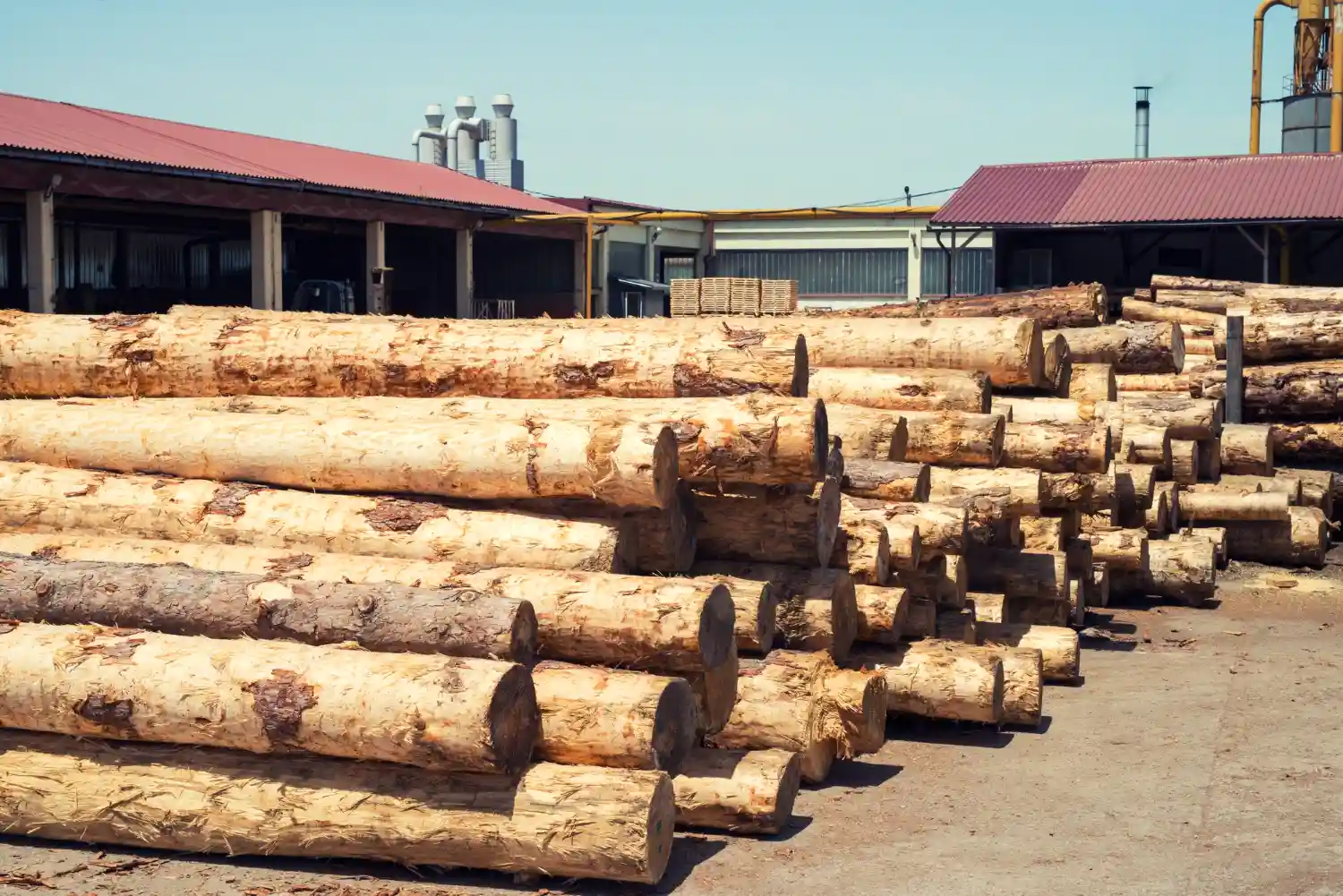
Lumber usage affects the climate in both positive and negative ways, let’s find out how. Lumber is the most common material used in construction. It is used in houses, apartments, offices and many other construction buildings. Lumber comes from trees and trees play an important role in protecting our climate. Due to all this lumber usage in construction it has a direct effect on the climate and environment.
What Is Lumber Usage in Construction
Lumber usage means use of wood from trees for the purposes of building. Lumber is used for framing, flooring, roofing, doors, windows and furniture. It is famous because it is strong and lightweight and easy to work with. Construction companies use lumber in many parts during the construction of a building. Due to high demand, large numbers of trees are cut every year to meet the needs of construction.
Importance of Trees for Climate
Trees help in protecting the climate in many ways. They absorb carbon dioxide from the air and release oxygen. Carbon dioxide is a gas that causes a global warming system. When trees are cut without any proper planning the climate balance is disturbed. Trees also help in:
- Reducing air pollution
- Control temperature
- Support wildlife
- Prevent soil erosion
- Help maintain rainfall cycles
Negative Effect of Lumber Usage on Climate
Large scale lumber usage can harm or maybe destroy the climate if the forests are not managed perfectly. By cutting so many trees less trees are left to absorb carbon dioxide. If the forests are destroyed the earth loses its natural ability to control climate changes. Some of the negative effects includes
- Increase in carbon dioxide in the air
- Global warming and rising temperatures
- Loss of forest land
- Damage to wildlife
- Changes in rainfall patterns
Carbon Emissions From Lumber Processing
The impact on climate does not stop at cutting the trees. Processing lumber also affects the environment and climate. Machines used for cutting, drying and transporting lumber always release carbon emissions. All these processes use fuel and energy which increase greenhouse gas emissions.
- Tree cutting machines
- Lumber transportation trucks
- Wood drying kilns
- Manufacturing tools
Positive Effect of Lumber Usage When Managed Properly
Lumber can be climate friendly when used responsibly and perfectly. Wood is a natural and a renewable material. If the trees are replanted, new forests also can grow. Buildings made with wood can store carbon for many years which also helps in reducing climate impact. Positive effects of properly used lumber include:
- Trees store carbon inside the wood
- Less energy needed compared to steel or concrete
- Reduced construction carbon footprint
- Renewable resource when forests are managed well
Sustainable Forestry and Climate Protection
Sustainable forestry means cutting trees in a careful and responsible way. When trees are cut new trees are planted to replace them. This helps keep forests healthy and protects the climate. Sustainable forestry includes controlled tree cutting, regular replanting of trees, protecting forest plants and animals and using certified wood products. When lumber is used in a sustainable way it reduces harm to the environment and supports long term climate health.
Role of Lumber Takeoff Services in Reducing Waste
Accurate planning plays an important role in reducing climate impact. Lumber Takeoff services help contractors calculate the exact amount of lumber needed for a project. When lumber is used efficiently, fewer trees are cut, which helps protect the climate.
Benefits of Lumber Takeoff services include:
- Reducing material waste
- Avoiding over-ordering lumber
- Lower demand for tree cutting
- Cost savings for builders
Reducing Climate Impact Through Efficient Lumber Usage
Construction companies can reduce climate impact by using lumber in a smart and careful way. Good planning and accurate takeoffs help avoid wasting wood. When precise measurements are used, less lumber is wasted. Reusing leftover wood also helps reduce the need for cutting new trees. Choosing sustainable lumber suppliers and avoiding unnecessary cutting further protects the environment. Planning building designs efficiently helps use the right amount of lumber. Efficient lumber usage lowers construction costs and reduces environmental damage at the same time.
Alternatives and Innovations in Lumber Usage
New ideas and methods are being developed to reduce the climate impact of lumber usage. One important improvement is the use of engineered wood products. These products are designed to be strong and durable while using less raw wood. This helps reduce the number of trees that need to be cut. Examples include cross laminated timber, which is made by layering wood in different directions to increase strength. Recycled wood products are also used to make new building materials from old wood, which reduces waste. Bamboo and other fast-growing wood alternatives are becoming popular because they grow quickly and can be harvested without harming forests. These options help lower the demand for natural forests and support better climate protection.
Conclusion
Lumber usage in construction has a very strong effect on climate. Cutting of trees that is unplanned increases carbon emissions and soon harms the environment. When lumber is used responsibly it can be a climate friendly building material. Sustainable forestry, accurate planning and Lumber Takeoff Services help reduce waste and protect forests. The construction industry can support climate protection and a healthier future, By using lumber wisely.